Independent mining group · Est. 1996
Copper, gold, silver, manganese and bauxite — mined in Africa since 1996.
Quintel Corporation Limited operates seven mines and two development projects across nine African countries. We are privately held, we operate everything we own, and we publish what we produce, what we pay and what we get wrong.
- Founded
- 1996
- Operating mines
- 7
- Countries
- 9
- People
- 9,500
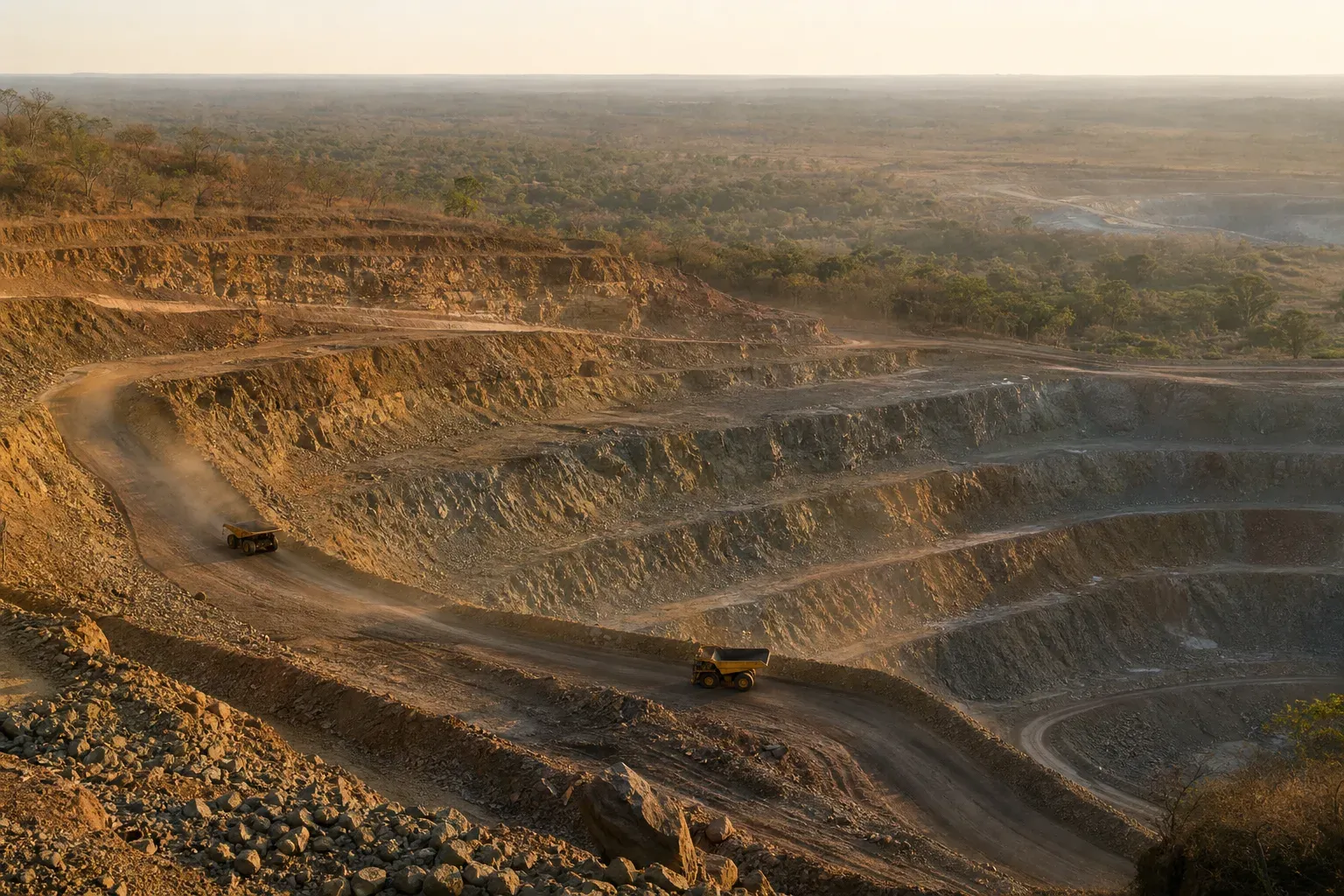
Open pit at first light — Copperbelt Province, Zambia
FY2025 at a glance
Year ended 31 December 2025 · audited, and reconciled to the annual report
- Revenue
- US$2.94bn
- Copper produced
- 148.2 kt
- Gold produced
- 212.4 koz
- Paid to host governments
- US$412m
- Fatalities
- 0
- Scope 1 and 2
- −38%
from US$2.61bn in FY2024
up 6.2% year on year
US$1,148/oz all-in sustaining
disclosed by country and type
fifth consecutive year
against the 2019 baseline
Who we are
A mining company that behaves like a long-term guest.
Quintel was founded in London in 1996 by a metals trader and a Ghanaian metallurgist, with two employees and no mine. Three years later the company was granted a mining lease over ground that two larger companies had walked away from. That mine, Asankran in Ghana, has produced gold every year since 2002 and paid for everything that followed.
Today the group operates seven mines and two development projects in nine countries, producing copper, gold, silver, manganese and bauxite. We are privately held by our founders, management, employee trusts and long-term institutional partners. There is no quarterly earnings call and no share price to defend, which removes one common excuse for short-term decisions and removes none of the obligations that come with mining somebody else’s minerals.
Everything on this site is stated in figures that can be checked against our published reports. Where we have missed a target, we say so on the same page as the targets we hit.
- FY2025 revenue
- US$2.94bn
- People
- 9,500
- Paid to host governments
- US$412m
- Average reserve life
- 17 yrs
Up 12.6% on FY2024, with copper contributing 44% of the total.
6,400 employees and 3,100 contractors. 94% recruited nationally.
Taxes, royalties and statutory payments, disclosed country by country.
Weighted by contained metal value across the six assets in production through FY2025.
How we hold assets
We operate everything we own.
There are no non-operated minority stakes in this portfolio and there never have been. A standard you cannot enforce is not a standard, and a safety system you can only ask a partner to apply is not a safety system.
It has cost us deals. Three times since 2010 we have walked away from an interest in a good orebody because the operatorship was not available, and on each occasion the internal argument was the same one: we would be signing our name to a mine we could not run.
- Mines, all operated
- 7
- Non-operated interests
- 0
- Without a fatality
- 5 yrs
What we produce
Five commodities, chosen because they are needed and because we can mine them well.
Copper and gold generate three quarters of revenue. Manganese and bauxite are long-life, low-cost businesses that keep generating cash when the other two do not. Silver joined the group in February 2026.
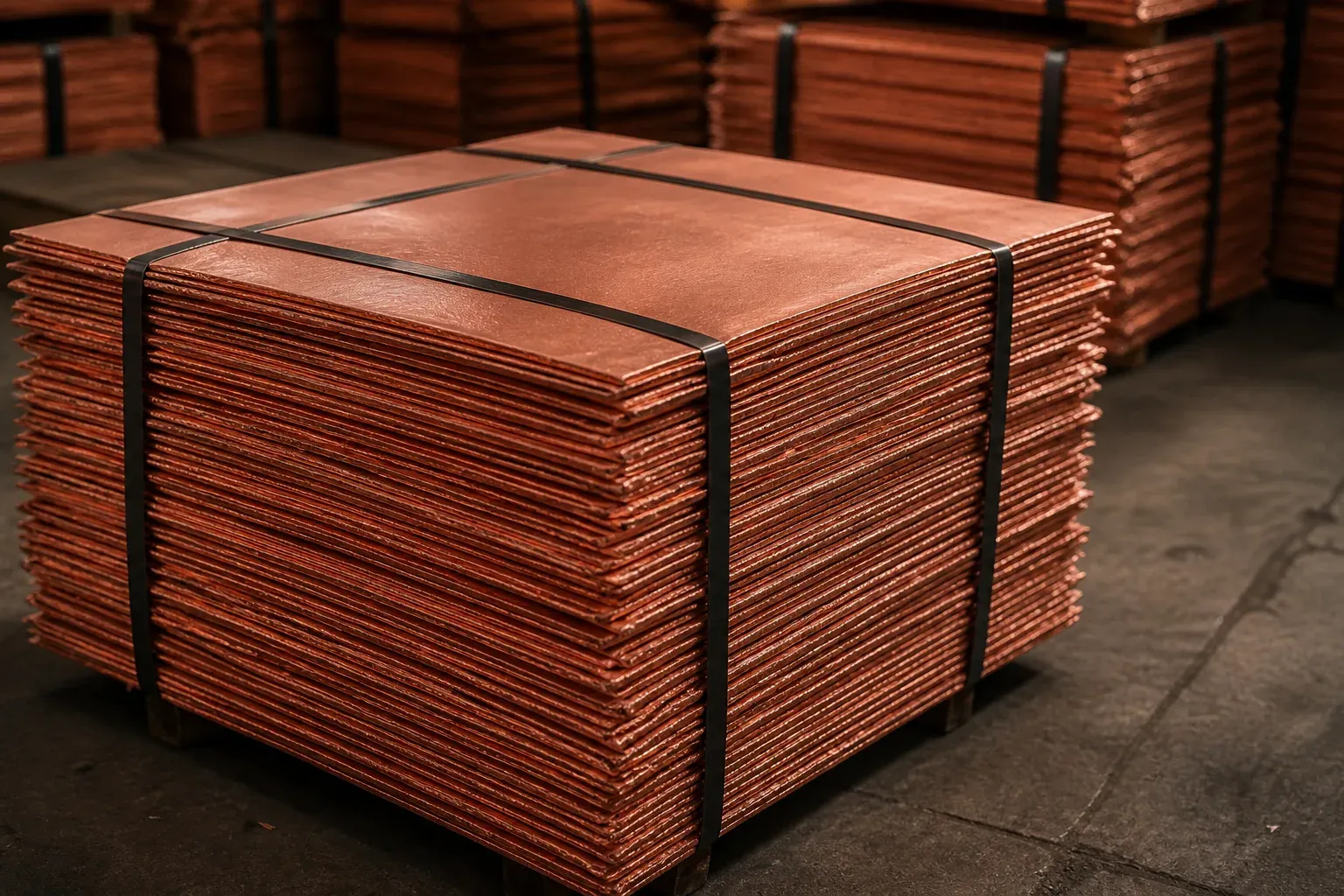
Copper
CuGrade A cathode and clean concentrate
Copper is 44% of group revenue and the centre of the investment case. We produce LME Grade A registered cathode on site in Zambia and the DRC, and a low-impurity concentrate that smelters value as blending feed.
- FY2025
- 148.2kt
- Of revenue
- 44%
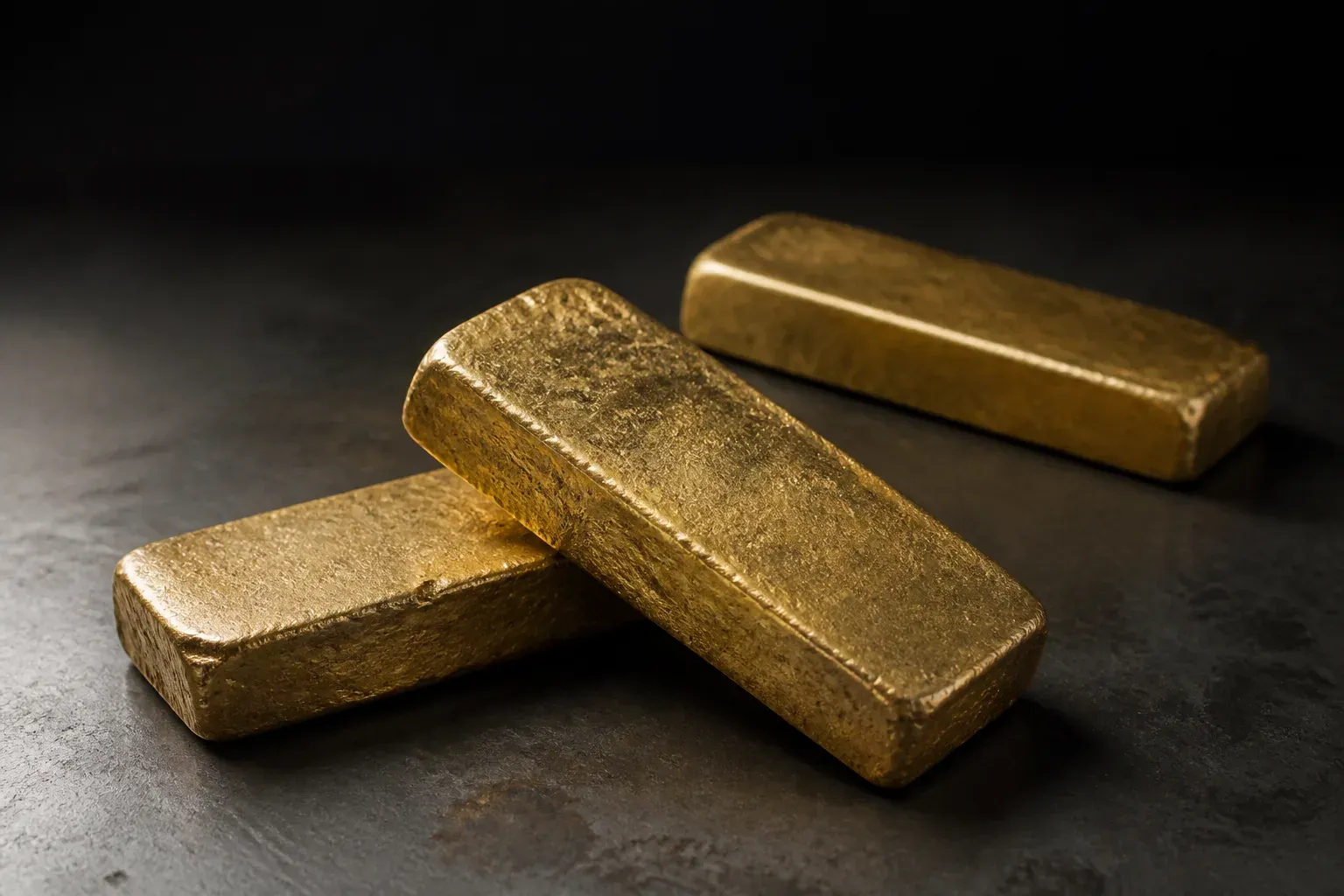
Gold
AuDoré from a single mine, refined to Good Delivery
All group gold comes from one mine in Ghana, is poured on site as doré and refined at an LBMA Good Delivery refinery in Switzerland. A second gold mine is in development in Côte d’Ivoire.
- FY2025
- 212.4thousand
- Of revenue
- 31%
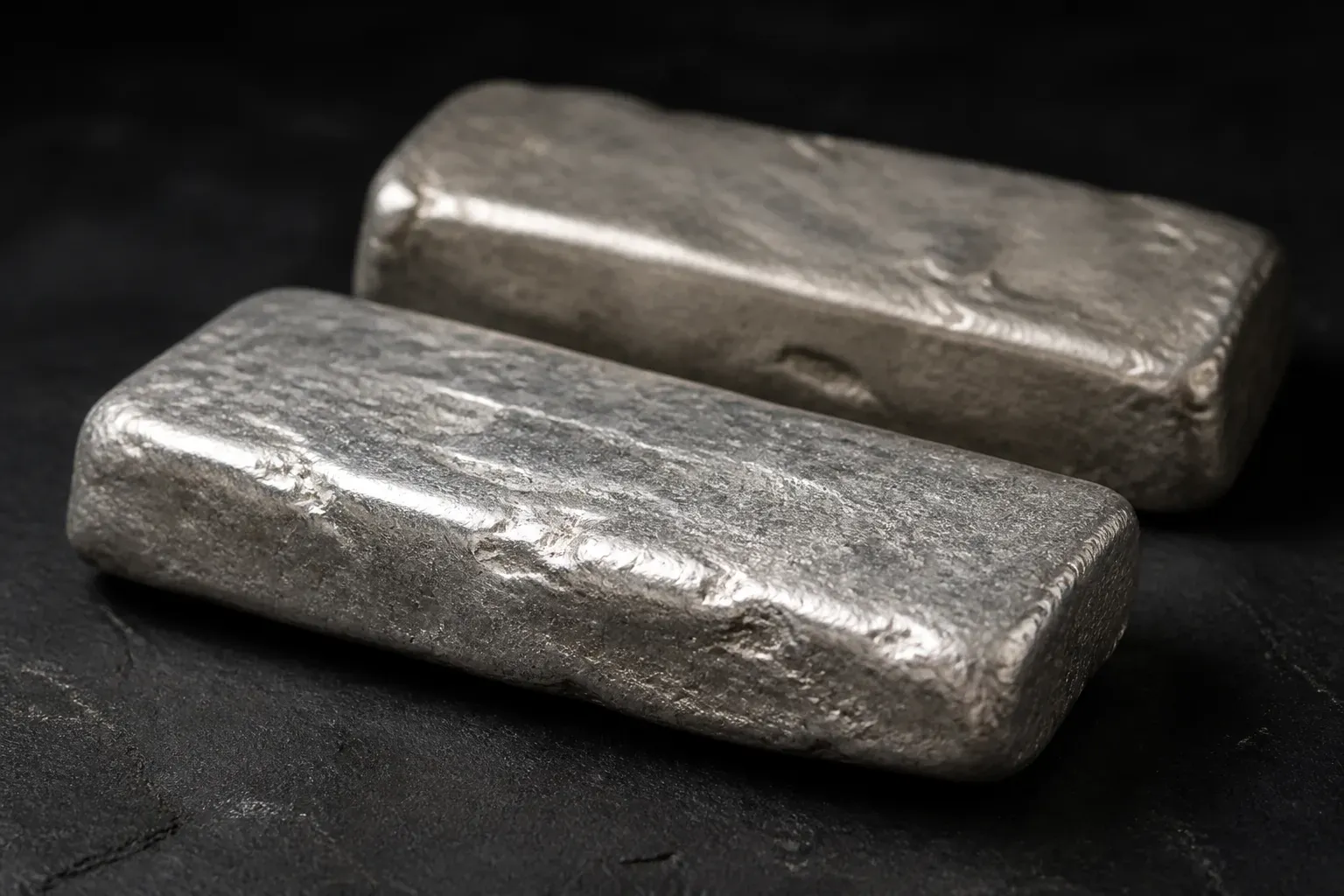
Silver
AgDoré from a high-grade underground mine, refined to 999 fine
Silver is the group’s newest product, added with the acquisition of the Tazoult mine in Morocco in February 2026. It is bought and sold as an industrial metal as much as a precious one: half of global demand is now solar, electronics and brazing.
- FY2025
- 4.12Moz
- Of revenue
- From FY2026
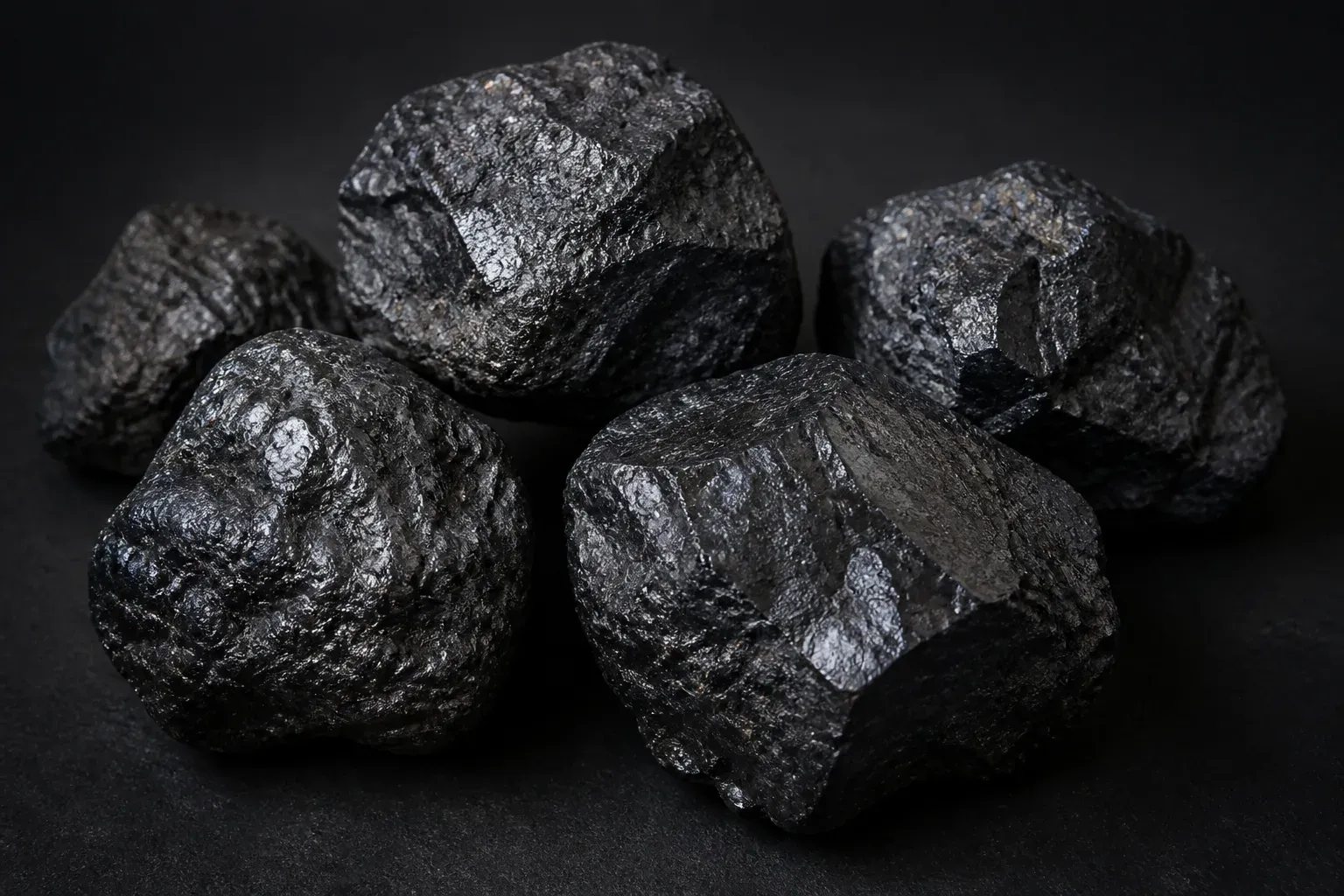
Manganese
MnLumpy, fines and sinter feed for the alloy industry
Manganese is the quiet business of the group: unglamorous, long-life, low-cost and counter-cyclical. Two mines, in South Africa and Gabon, supply ferroalloy producers on multi-year contracts.
- FY2025
- 1.92million
- Of revenue
- 15%
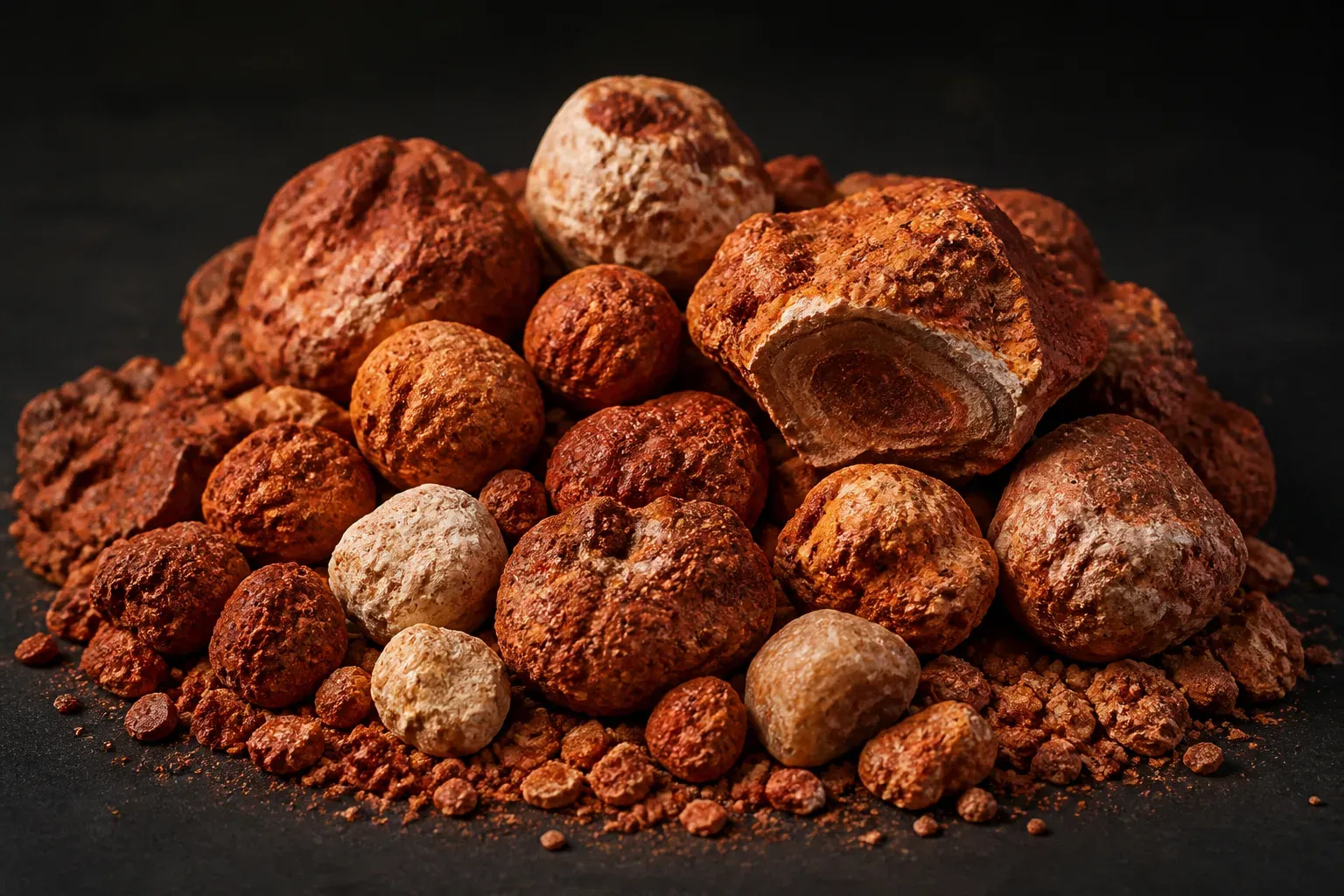
Bauxite
Al₂O₃Premium trihydrate ore for alumina refining
High available alumina, low reactive silica, and a 28-year reserve life. Fatala bauxite is sold to alumina refineries on long-term contracts indexed to the alumina price.
- FY2025
- 4.41million
- Of revenue
- 10%
| Commodity | Unit | FY2024 | FY2025 | FY2026 guidance |
|---|---|---|---|---|
| Copper | kt cathode + concentrate (Cu contained) | 139.6 | 148.2 | 155 – 165 |
| Gold | koz doré (payable) | 204.9 | 212.4 | 205 – 220 |
| Manganese | Mt ore (38 – 45% Mn) | 1.78 | 1.92 | 1.95 – 2.10 |
| Bauxite | Mt (dry metric tonnes shipped) | 3.96 | 4.41 | 4.60 – 4.90 |
| Cobalt | kt hydroxide (Co contained) | 3.41 | 3.85 | 4.00 – 4.30 |
| Silver | Moz payable (from 20 February 2026) | — | — | 3.20 – 3.50 |
Where we work
Nine countries, one operating standard.
We operate every asset we own. There are no non-operated minority stakes in the portfolio, because a standard you cannot enforce is not a standard.
Schematic map. Marker positions indicate the operating district, not a licence boundary.
- Producing
- Development
- Exploration
- Mbengwe Copper ComplexCopperbelt Province, Zambia · CopperProducing
- Lubumba Copper-Cobalt OperationLualaba Province, Democratic Republic of the Congo · Copper, CobaltProducing
- Asankran Gold MineWestern North Region, Ghana · GoldProducing
- Tazoult Silver MineAnti-Atlas, Drâa-Tafilalet, Morocco · SilverProducing
- Gamagara Manganese MineNorthern Cape, South Africa · ManganeseProducing
- Nyanga Manganese OperationHaut-Ogooué Province, Gabon · ManganeseProducing
- Fatala Bauxite OperationBoké Region, Guinea · BauxiteProducing
- Bagoé Gold ProjectSavanes District, Côte d'Ivoire · GoldDevelopment
- Erongo Copper ExplorationErongo Region, Namibia · CopperExploration
Seven operating mines, two development assets and 9 offices across nine countries. Every operation is managed by Quintel; we do not hold non-operated minority interests.
Selected assets
Three of the seven mines that make up the group.
Each asset page carries the full resource and reserve statement, three years of operating data, the environmental and social record and the forward plan.
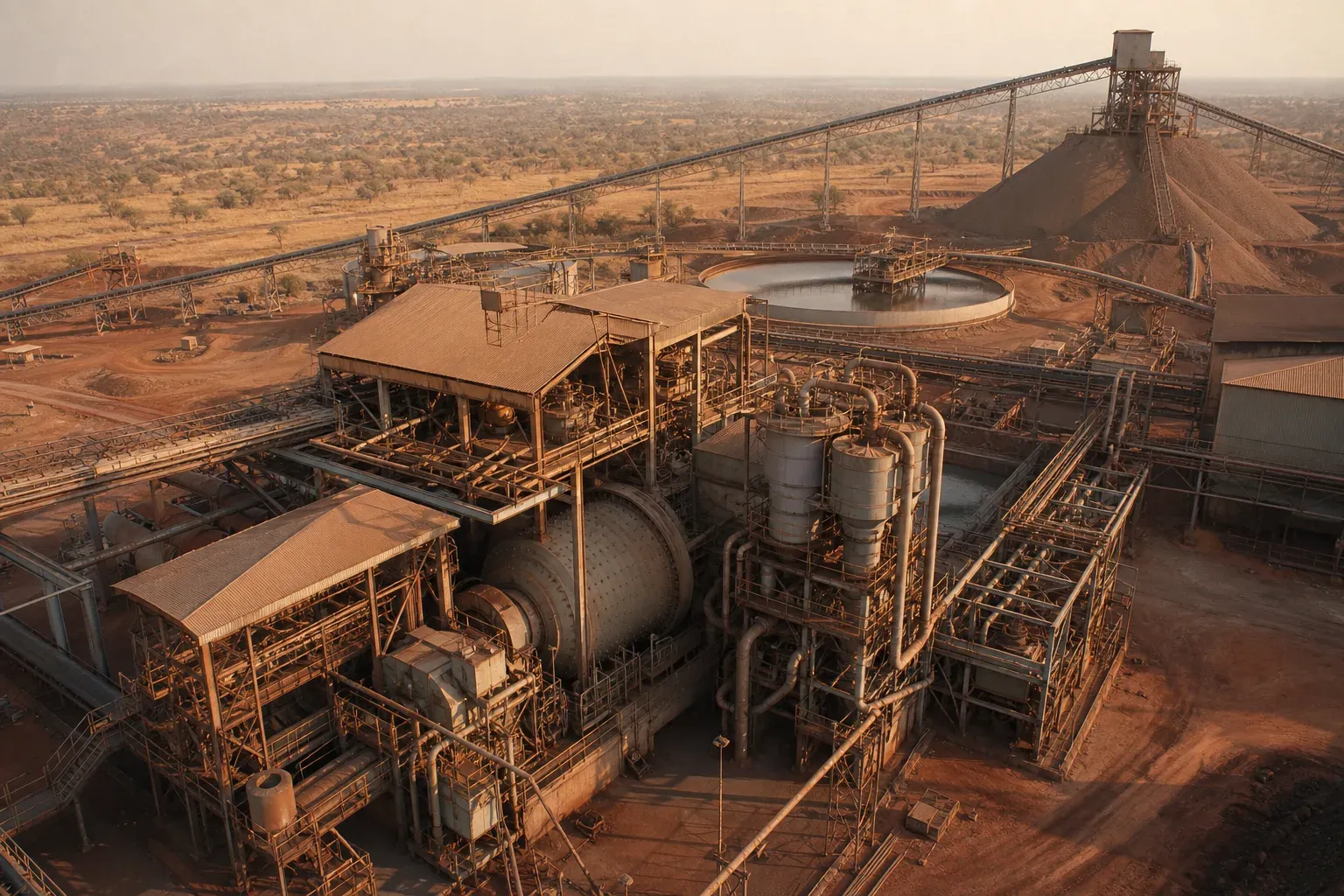
Mbengwe Copper Complex
Copperbelt Province · Copper
The group’s largest asset and the source of roughly two thirds of group copper. Mbengwe combines a mature open pit, a ramping underground mine and two processing routes on a single licence area in the Zambian Copperbelt.
- FY2025 copper
- 96.4 kt
- Ore reserve
- 182 Mt @ 1.12% Cu
- Mine life
- 18 years
- C1 cash cost
- US$1.71/lb
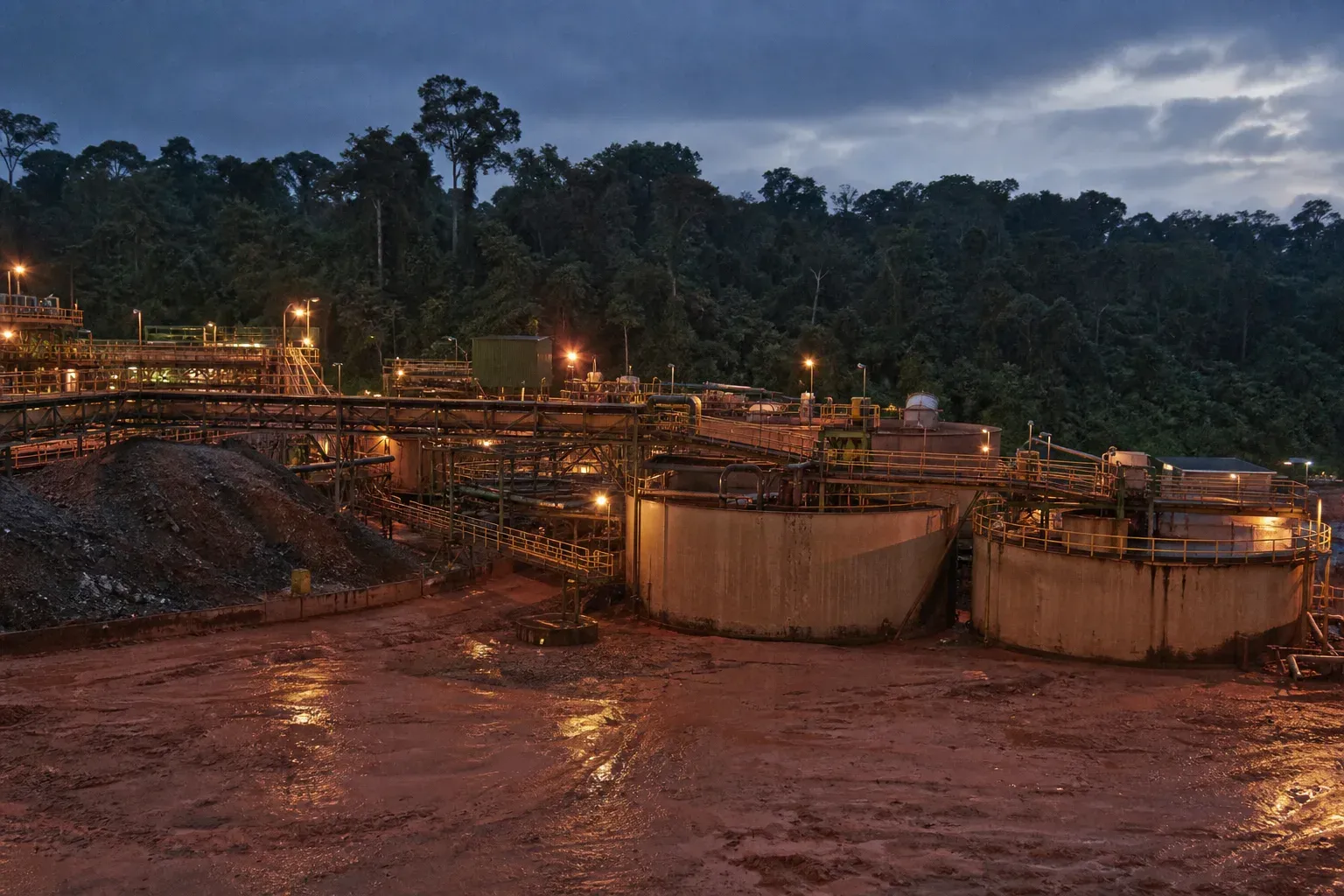
Asankran Gold Mine
Western North Region · Gold
The founding asset of the group and the first mine Quintel ever built. Asankran has produced gold continuously since 2002 and remains the operation against which every other asset in the portfolio is benchmarked.
- FY2025 gold
- 212.4 koz
- Ore reserve
- 2.54 Moz @ 2.31 g/t
- AISC
- US$1,148/oz
- Producing since
- 2002
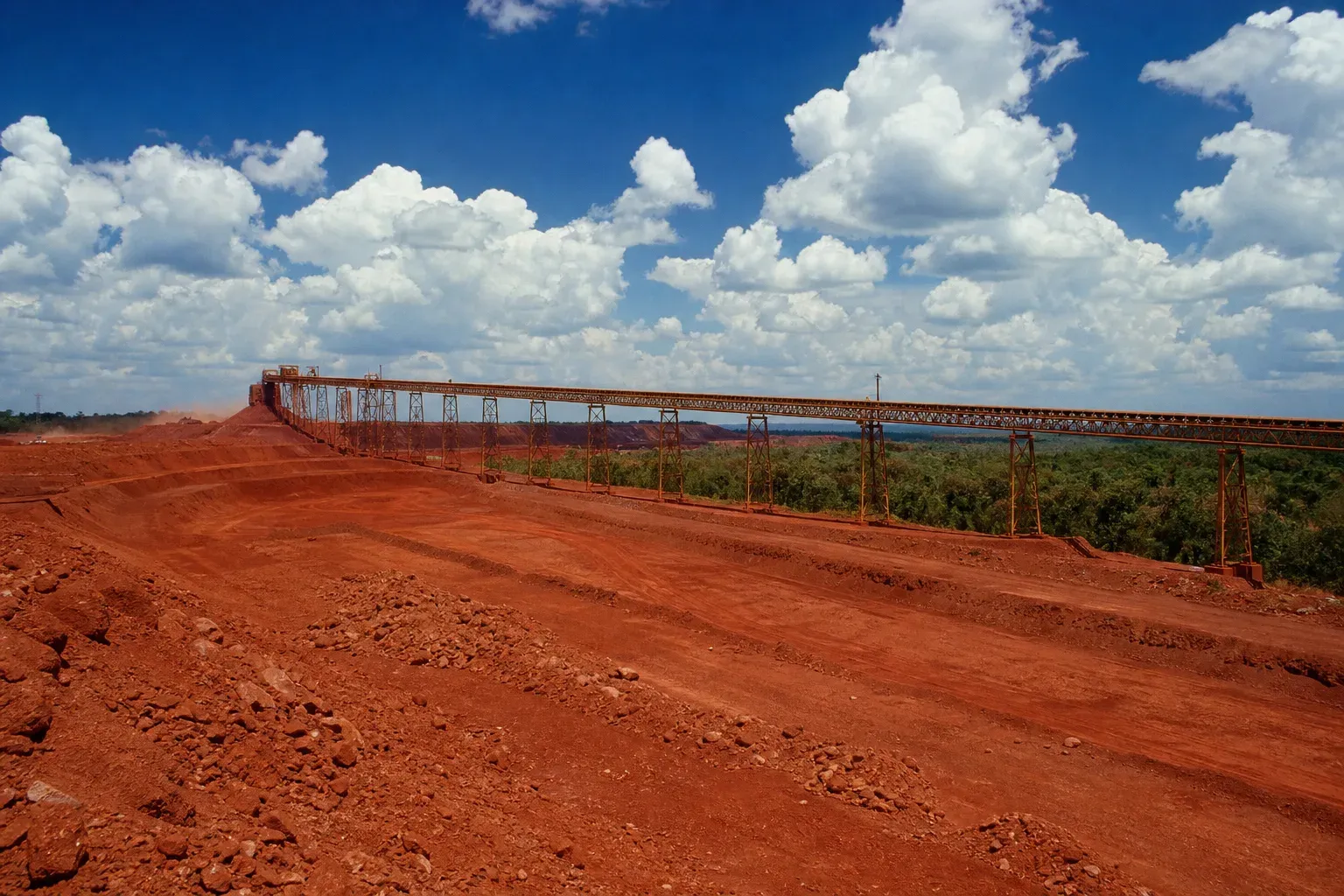
Fatala Bauxite Operation
Boké Region · Bauxite
The group’s newest and longest-life operation. Fatala mines high-alumina, low-silica trihydrate bauxite in Guinea and ships it to alumina refineries in Europe, the Gulf and Asia.
- FY2025 shipped
- 4.41 Mt
- Ore reserve
- 320 Mt @ 45.8% Al₂O₃
- Reactive silica
- 2.1% SiO₂
- Mine life
- 28 years
How we work
Six things a mining company has to get right, in order.
Most failures in this industry are not exotic. They happen because one of these six steps was rushed, underfunded or handed to somebody with the wrong incentive.
- 01
Find it
A fixed share of operating cash flow goes to exploration every year, in good markets and bad. We report the holes that fail alongside the holes that work.
Exploration and growth - 02
Prove it
Resources and reserves are estimated under JORC and SAMREC, signed off by an independent Competent Person and reconciled against actual production every year.
Reports and disclosures - 03
Build it
Owner-managed delivery with an engineering and construction management contractor. Conventional flowsheets, referenced equipment, no first-of-a-kind risk.
Bagoé Gold Project - 04
Mine it
Seven operations, all managed by Quintel. Critical control management, an unconditional right to stop work, and every high-potential incident reviewed by the board committee.
Health and safety - 05
Sell it
Specified, traceable product sold on long-tenor contracts from our Dubai and Rotterdam offices, with certificates of origin identifying the producing mine.
Logistics and marketing - 06
Close it
Every pit, plant and tailings facility is designed backwards from the day it stops producing, with rehabilitation funded from first production.
Environment and climate
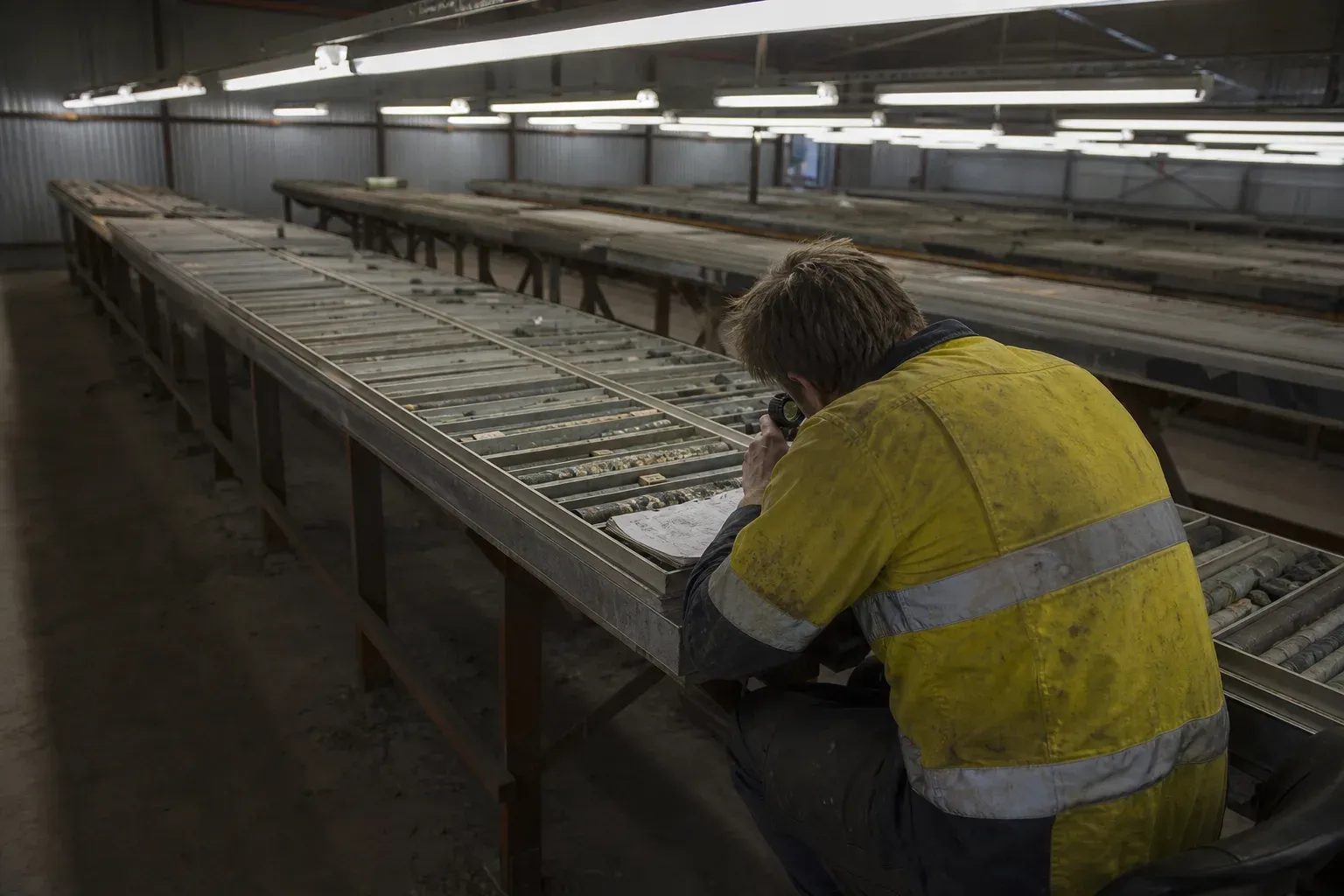
Finding it
The cheapest copper is the copper you find yourself.
A fixed share of operating cash flow goes to exploration every year, in good markets and bad. The budget is set as a percentage rather than as a number precisely so that it cannot be raided when a year turns difficult, which is when it always gets raided.
Every hole is logged, sampled and reported, including the ones that fail. In 2025 the group drilled 61 holes at Erongo and 4 of them mattered. We publish that ratio because a company that only reports its successes is telling you nothing about how it explores.
- Holes drilled at Erongo
- 61
- That changed the model
- 4
- Of cash flow, fixed
- 3.1%
Sustainability performance
The numbers we are judged on, including the one we missed.
Full definitions, boundaries and the independent assurance statement are published in the ESG Data Book. Nothing on this page is outside the assured scope.
- 2019987
- 2022842
- 2023761
- 2024688
- 2025612
Down 38% against the 2019 baseline. The 2030 target is a 50% absolute reduction; the Lubumba grid connection and three solar plants account for most of the progress so far.
- 20213.41
- 20222.94
- 20232.61
- 20242.38
- 20251.94
Five consecutive years without a fatality. Thirty-one high-potential incidents were recorded in 2025 and every one is published with its root cause.
- 202268%
- 202372%
- 202476%
- 202579%
Group average. Lubumba reached 71% against a 78% target and is the reason the group figure is not higher; the return-water pipeline responsible for the shortfall is now commissioned.
61%
Renewable and hydro electricity
Across the six operations Quintel ran through FY2025.
68%
Procurement spent in host countries
US$881m with nationally registered suppliers.
1,470 ha
Land rehabilitated to date
Progressive rehabilitation, independently verified.
94%
Workforce recruited nationally
Every operation must reach 90% within five years of first production.
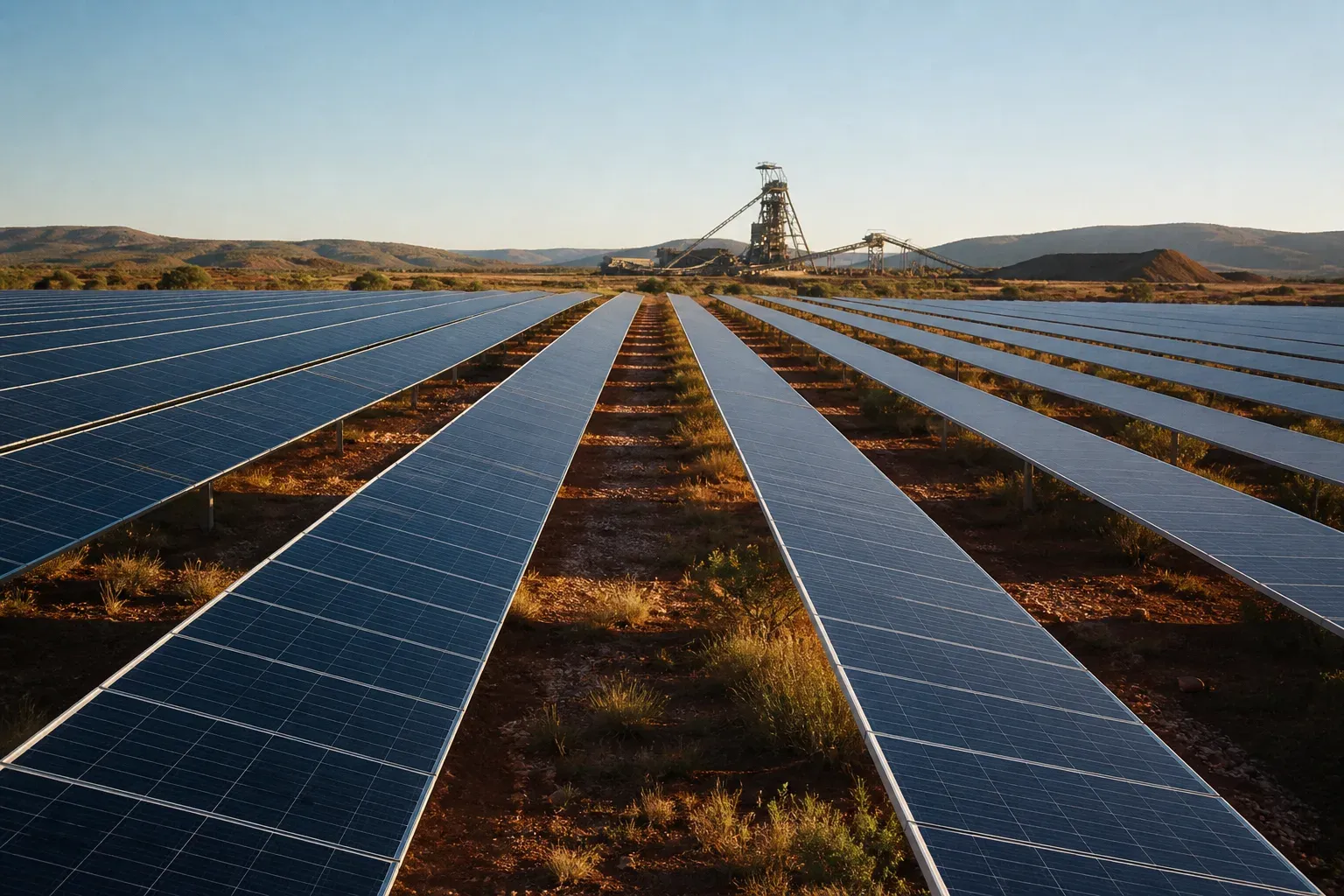
Energy
Built on ground we had already disturbed.
Three solar plants totalling 112 MW now supply the group, and every one of them stands on rehabilitated waste rock or stripped ground rather than on land that was doing something else. Where a mine has already taken the land, that is where the panels go.
The reason is not only carbon. Hydrological drought on the Zambezi system in 2019 and again in 2024 took grid supply away from Mbengwe for weeks at a time. Generation you own and can see from the control room is an operational asset before it is an environmental one.
- Installed solar
- 112 MW
- Scope 1 and 2 reduction
- 38%
- Target: 50% absolute
- 2030
What we believe
Four principles, written down and used.
Safety is a precondition, not a priority
Priorities change with the market. Preconditions do not. No tonne of ore, no shipment and no quarterly target justifies exposing a colleague to an uncontrolled risk. Every employee and contractor holds an unconditional right to stop work.
We are guests in every country we work in
Mineral resources belong to the host nation. Our licence is temporary, conditional and earned again every year through the taxes we pay, the jobs we create and the standard of behaviour of the people who wear our logo.
Engineer for the closure plan, not the boom
Every pit, plant and tailings facility in the group is designed backwards from the day it stops producing. Rehabilitation is funded from first production, not from the last year of mine life.
Evidence over assertion
Resource statements, emissions data, water balances and community commitments are measured, independently assured where practicable, and published whether or not the numbers flatter us.
Thirty years
From a two-person trading desk to seven mines.
The group has never made a transformational acquisition. Every asset in the portfolio was either found by Quintel or bought cheaply from someone who could not make it work.
- 1996
Incorporated in London
A two-person minerals trading partnership with a leased office and no assets.
- 1999
First mining lease
Asankran, Ghana — ground two larger companies had relinquished as sub-economic.
- 2004
Entry into Zambia
The dormant Mbengwe copper licences are acquired with a commitment to rehabilitate legacy waste.
- 2011
Entry into the DRC
Lubumba is acquired after two years of legal, title and human rights due diligence.
- 2015
The copper price collapse
Discretionary capital suspended, executive pay cut 20%, and the year completed without a single involuntary redundancy.
- 2021
First bauxite from Guinea
Fatala ships twenty-six months after the mining convention was signed.
- 2025
Bagoé feasibility completed
A 1.16 Moz reserve defined in Côte d’Ivoire and the mining permit granted.
Ownership
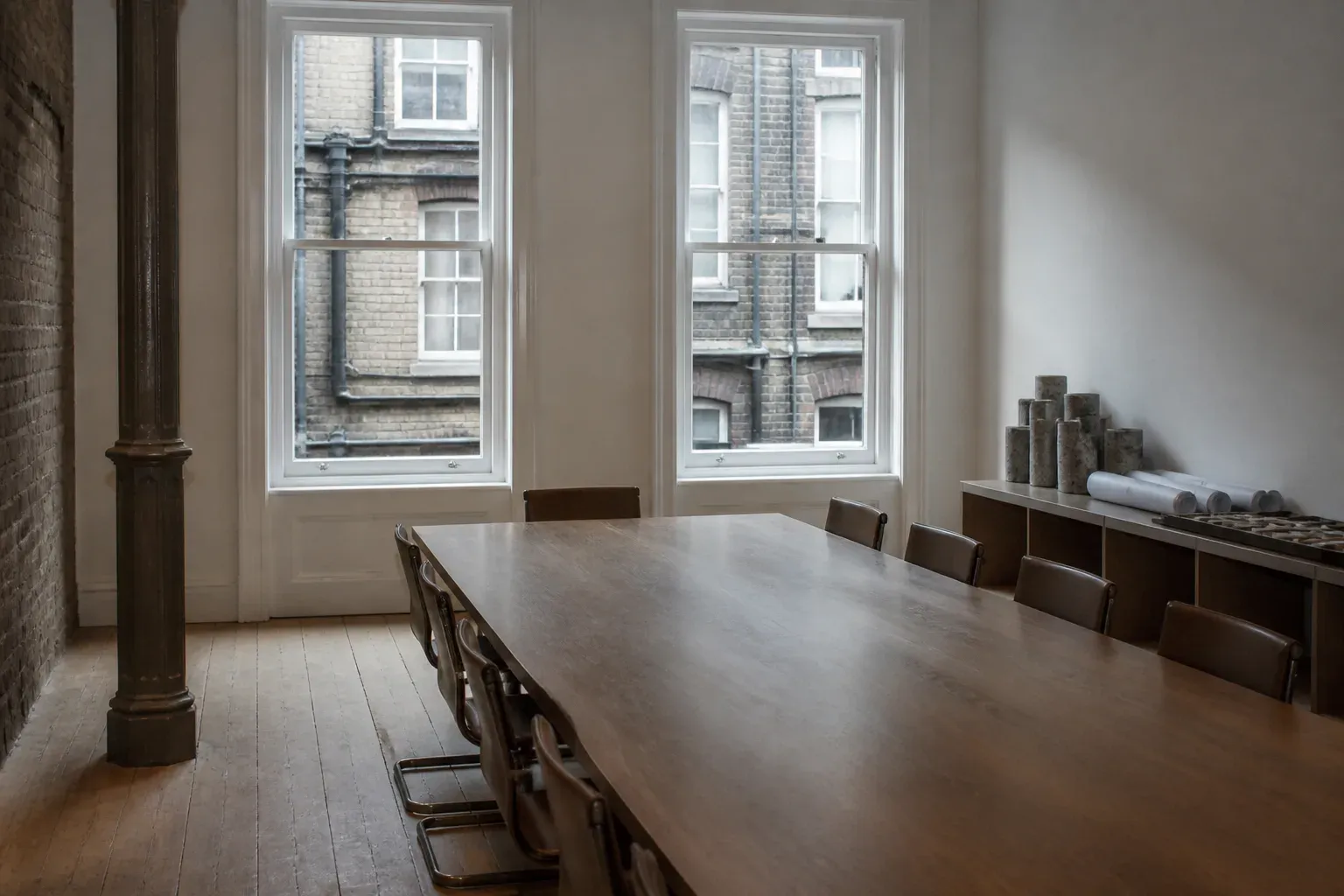
Quintel is privately held. Roughly 46% of the company is owned by the founding families, 22% by current and former management and employee trusts, and the balance by long-term institutional partners with no redemption rights before 2032.
The group has no listed equity and no public debt. Its financial policy limits net debt to 1.5 times EBITDA through the cycle, a limit set in 2012 and never relaxed, including through the 2015 downturn.
The full historyNewsroom
Latest from the group
Group production rises 9% in the first half of 2026, led by Mbengwe underground
Copper production of 79.4 kt for the six months to 30 June, with every commodity tracking within full-year guidance and the newly acquired Tazoult silver mine contributing for the first time.
ReadBoard approves US$142 million Mbengwe underground materials handling project
A crusher and conveyor decline will remove 41 haul trucks from the ramp, cutting underground diesel consumption by an estimated 62% and lifting hoisting capacity to 4.5 Mtpa.
ReadQuintel publishes 2025 Sustainability Report and payments to governments disclosure
Scope 1 and 2 emissions down 38% against the 2019 baseline, US$412 million paid to host governments, and two targets reported as missed.
ReadDisclosure
What we publish, and why we publish it.
We are not required to publish audited group accounts, a sustainability report, or a payments-to-governments disclosure. We publish all three.
Annual reporting
3 documents
Annual Review 2025
Sustainability and ESG
5 documents
Sustainability Report 2025
Transparency and payments
4 documents
Payments to Governments 2025
Technical and resource
3 documents
Mineral Resources and Ore Reserves Statement 2025
Policies and governance
7 documents
Code of Business Conduct
Careers
9,500 people. 94% of them recruited in the country where they work.
We hire mining engineers, metallurgists, geologists, electricians, environmental scientists, community liaison officers, accountants and apprentices — mostly in places where the mine is the largest employer for a hundred kilometres.